The Dodd Prize
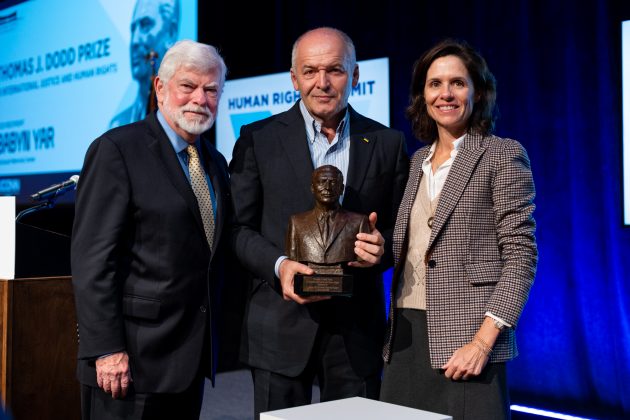
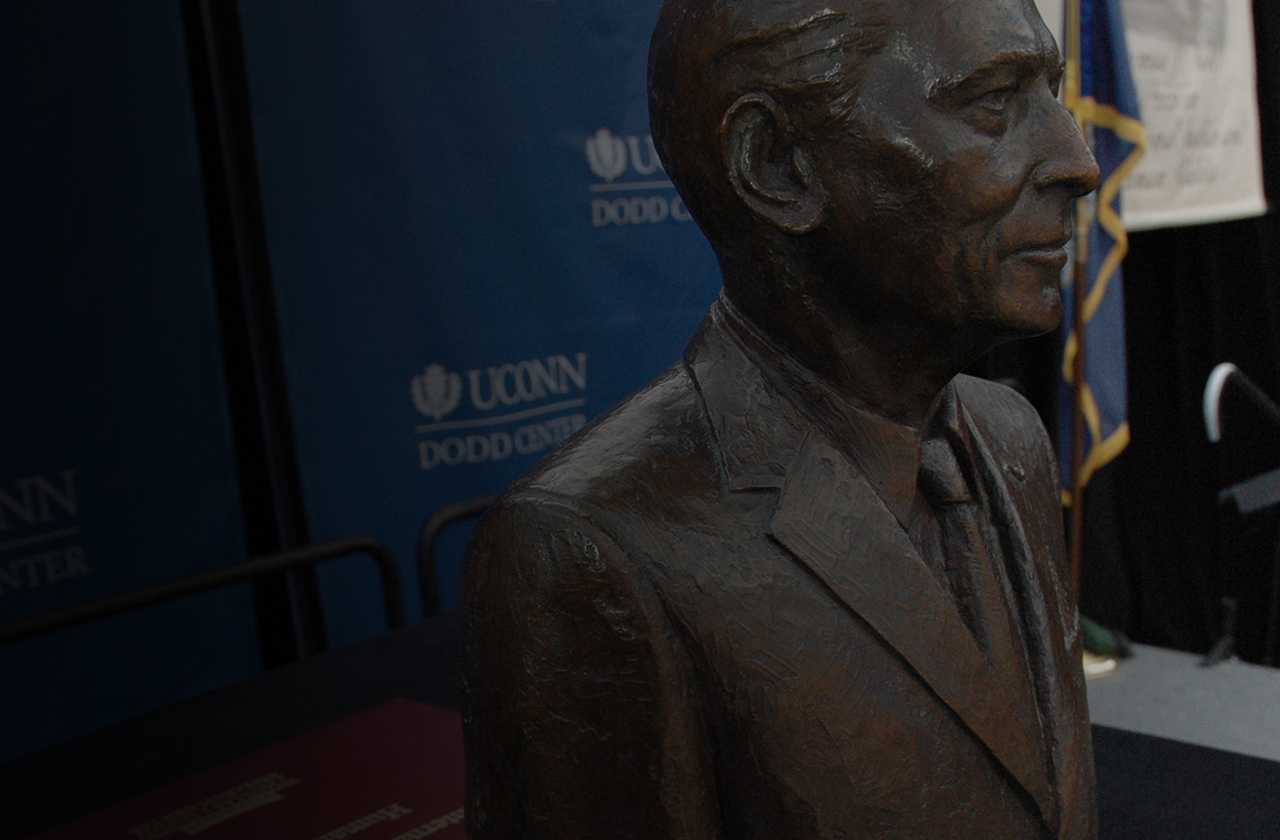
The University of Connecticut awards the Thomas J. Dodd Prize in International Justice and Human Rights biennially to an individual or group who has made a significant contribution to the advancement of international justice and global human rights. The Prize commemorates the distinguished public service career of Thomas J. Dodd, who served as Executive Trial Counsel at the International Military Tribunal in Nuremberg, as U.S. Representative from 1953 to 1957 and as Connecticut’s Senator from 1959 to 1971.
Recipients of The Dodd Prize
About Thomas J. Dodd
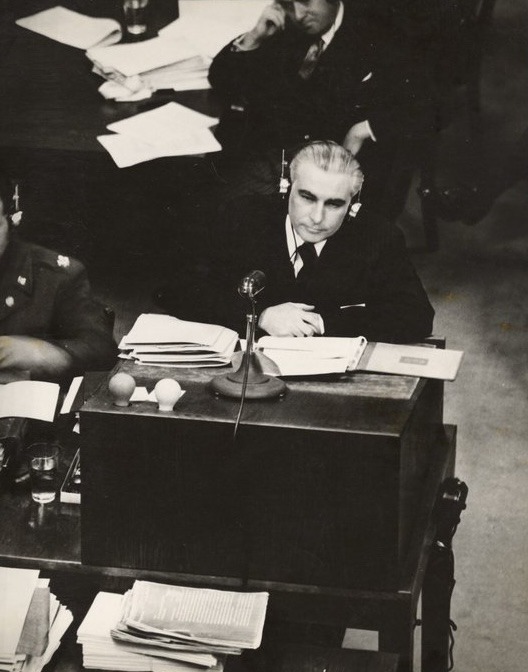
Senator Thomas J. Dodd devoted his life to public service, the rule of law, and the rights of the oppressed. Born in Norwich, Connecticut in 1907, Thomas Dodd graduated from Providence College and went on to receive a law degree from Yale University in 1933. The following year, he married Grace Murphy of Westerly, Rhode Island. The couple became the parents of six children, Thomas J. Jr., Carolyn, Jeremy, Martha, Christopher, and Nicholas. In 1945, when the Allied Powers established the International Military Tribunal in Nuremberg, Germany, Dodd was appointed Vice-Chairman of the Review Board and later Executive Trial Counsel. Dodd took a leading role in developing the legal strategies and policies during the trial, concentrating on proving the charge of conspiracy to wage aggressive war, the horrors of the concentration camp system, and the activities of Nazi organizations like the Gestapo and SS. Dodd’s work in bringing Nazi war criminals to justice earned him the Medal of Freedom and a Presidential Certificate of Merit.
After his return to the U.S., Dodd practiced law in Hartford and became active in Democratic Party politics. He was elected to Congress from the First District in 1952 and 1954. In 1959, he began the first of two terms in the United States Senate, where he championed gun control legislation, supported the civil rights initiatives of Presidents Kennedy and Johnson, and worked to protect children through efforts to curb violence on television and stem the traffic in illegal drugs. Internationally, Dodd vigorously opposed Soviet Communism and was outspoken in his support for the peoples held captive behind the Iron Curtain. Dodd died at his Old Lyme home on May 24, 1971. In commemoration of his life and career in public service, the University of Connecticut awards the Thomas J. Dodd Prize in International Justice and Human Rights biennially to an individual or group who has made a significant contribution to the advancement of international justice and human rights around the world.
The Dodd Prize Endowment
The Dodd Prize would not be possible without the generous support of philanthropist and businessman John W. Kluge. Kluge, who was born in Germany, immigrated to the United States and grew up in Detroit, Michigan. He graduated from Columbia University and served in U.S. Army Intelligence during World War II. Kluge began developing his business empire by first investing in the food business, then purchasing radio and television stations that ultimately became Metromedia Incorporated, one of the largest communications conglomerates with interests in radio, television, motion pictures, cellular telephones and the travel industry.
Mr. Kluge has a wide range of philanthropic interests that include gifts to support minority students at Columbia University, to the Library of Congress to establish a John W. Kluge Center and support a Kluge Prize in Human Sciences and has donated land and his estate to the University of Virginia.
Mr. Kluge began supporting the Thomas J. Dodd Research Center prior to its completion. He was closely connected with Thomas Dodd because of their common interest in media and television. His initial gift during the capital campaign for the Dodd Center established a fund for the Dodd Prize and Mr. Kluge’s additions to the endowment allowed the Center and the University to carry out the first Dodd Prize event in 2003.
Mr. Kluge was the recipient of an honorary degree from the University of Connecticut in May 2003. He passed away in September 2010.